
Most social media tutorials get Toxin dosing wrong in the same way: they treat one person’s number as a rule. A creator says she gets 20 units in her forehead, or that “baby Botox” is just a few units spread around, and viewers assume that amount will work for them. The right amount depends on how strong your muscles are, where your brows sit, how your face moves, which product is used, and how it was mixed. A video can’t show any of that, and following its numbers is how people end up with a heavy brow, an uneven smile, or results that fade within weeks.
The Label Gives a Starting Point, Not Your Number
The FDA-approved label for Botox Cosmetic lists standard doses based on clinical trials: 20 units for the frown lines between the brows, 24 units for crow’s feet (12 on each side), and 20 units for forehead lines, given together with the 20 for frown lines. Injectors use those figures as a reference, then adjust.
Here’s what that adjustment looks like in practice. A man with a broad, powerful forehead muscle may need more than the standard amount to soften his lines at all. A woman whose brows already sit low may need less in the forehead, or none in certain spots, so her eyelids don’t feel heavy. Plenty of people raise one brow higher than the other when they talk, which means the two sides may need different amounts. An expert injector sees those details in the first few minutes of a consultation. A tutorial never gets the chance.
Twenty Units of One Brand Isn’t Twenty of Another
Botox is one brand of botulinum toxin. Dysport, Xeomin, Jeuveau, and Daxxify are others, and each is measured with its own potency test. The Botox label says its units can’t be compared to or converted into units of any other product. So when someone online says “I only needed 30 units,” the number means very little unless you know the brand, and it can be misleading if you’ll be treated with something different.

Volume on the Syringe Isn’t Dose
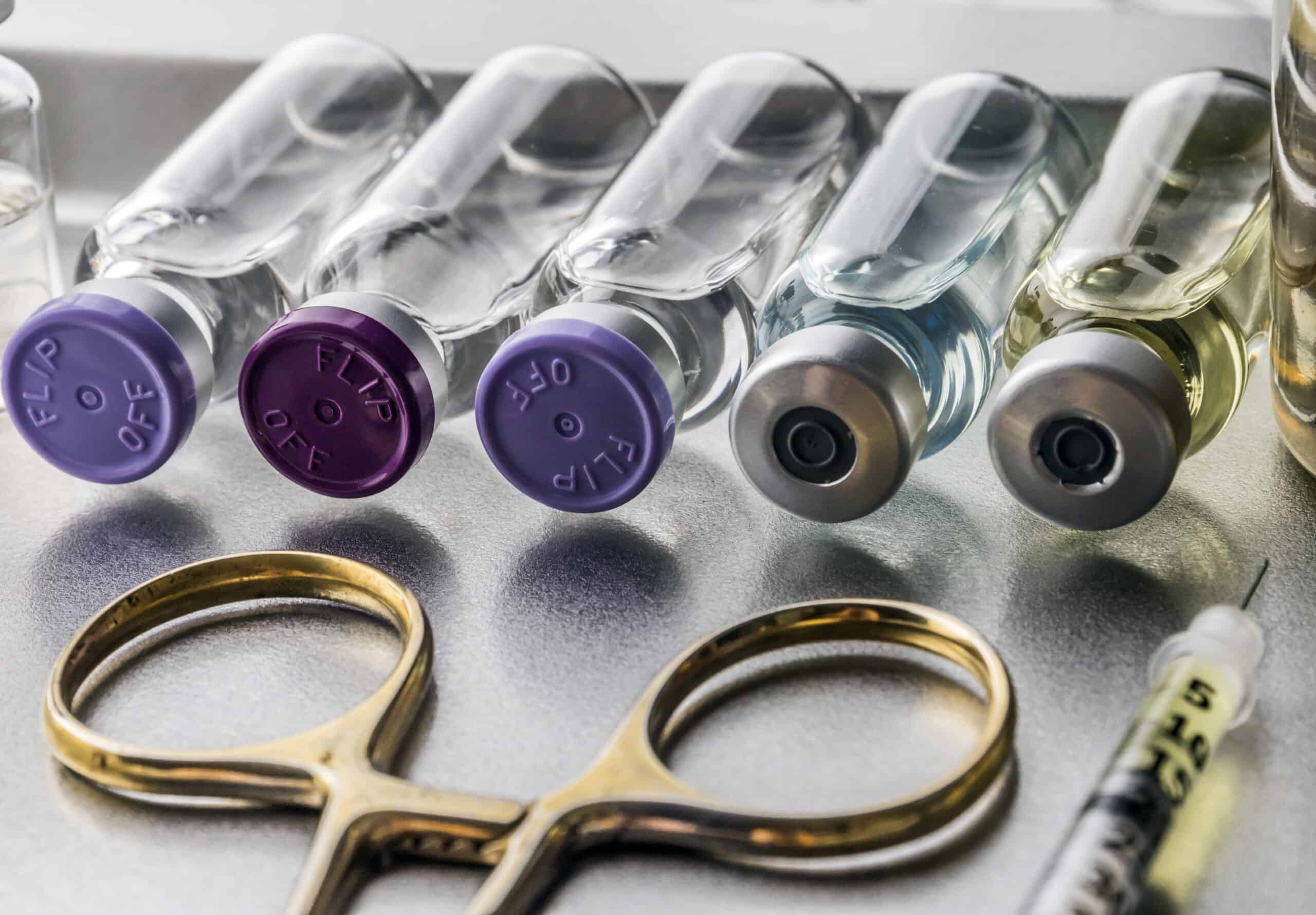
A lot of videos show the needle and the amount of liquid going into each spot. That looks precise, but it isn’t the dose. The product arrives as a powder that’s mixed with sterile saline before use. The label’s standard mix gives 4 units in every 0.1 mL, and some practices mix it differently. Two syringes that look identical on camera can hold different amounts of toxin.
Placement Causes More Trouble Than Most Viewers Realize
The forehead is the classic example. The muscle there is what lifts your brows, so relaxing it by itself can let them sink. That’s why the label calls for treating forehead lines together with the frown lines between the brows. Clips showing quick forehead only injections skip the step that protects against a dropped brow.
Even with trained injectors in controlled trials, about 3% of people treated for frown lines had a drooping eyelid, and about 2% of those treated for forehead lines had a drooping brow. Someone guessing at placement from a phone screen has none of that training to fall back on.
Trends push things further in both directions. Posts that promise to erase every wrinkle steer people toward heavy doses and a frozen look, while microdosing clips can lead to amounts so small the results barely last. For most patients, a natural result means the lines they dislike soften while the face still moves when they laugh or look surprised.
Patience Is Part of the Dose
Neuromodulators take time. Some people see a difference within a few days, but full toxin results usually take around two weeks. People who judge their results on day three or four, decide nothing happened, and add more often find out a week later that they used far more than they meant to.
The label also advises at least three months between treatments for frown lines. If you see creators touching up every few weeks, don’t take that as a schedule to copy.
What a 2023 Study Found About Injectable Videos
Researchers writing in the Aesthetic Surgery Journal looked at 340 popular TikTok videos about Botox and fillers and rated their overall quality as low. The largest group came from nonphysician healthcare providers; the most common type was patients describing their own treatment, and physician content scored higher for reliability. Facebook and Instagram reels are built the same way: short, fast, and personal. That format is good for sparking interest and poor at carrying medical information.
Some licensed providers do post accurate, careful content. Even they can’t account for your face in a 30-second clip.
How to Use What You’ve Seen Online
Watching videos before a treatment is normal, and it can help you figure out what you want to ask. To get the most out of a consultation:
- Bring the details of any past treatment, including the product name, the number of units, and how long the results lasted.
- Describe what bothered you about previous results, such as heavy brows or a short duration.
- Tell your injector about medications, supplements, and health conditions, since some affect how the toxin works.
- Treat any number you heard online as a question to ask, not a request.

What a Proper Assessment Covers
A good consultation is where your dose gets personalized. Your injector will watch your face at rest and ask you to frown, raise your brows, and smile so they can see how each muscle pulls. They’ll check brow height, eyelid heaviness, and the difference between your two sides, and they’ll ask about the look you’re after, whether that’s a light refresh or a bigger reduction in movement.
They should also tell you what a neuromodulator won’t do. It relaxes the muscles behind expression lines, but it doesn’t change surface skin quality. Lines that stay etched in when your face is still, uneven texture, and sun damage usually respond better to skincare, peels, microneedling, or laser treatments, sometimes combined with a neuromodulator.
Get a Dose Planned Around Your Own Face
Lisa Rux is a medical aesthetician with more than 26 years of experience in medical skin care and extensive experience with neuromodulators. Her medical spa is supervised by a doctor and a nurse practitioner, and she offers microneedling, chemical peels, and laser skin treatments to enhance skin quality when a neuromodulator alone isn’t enough. If you’ve been weighing what you’ve seen online, call (940) 231-5636 to schedule a consultation and get a plan built around your own features.
Sources: