
Not long ago, anyone looking to smooth wrinkles, tighten skin, or reshape facial features usually assumed surgery was the only real option. That’s changed in a big way. Modern aesthetic medicine now offers a wide range of non-surgical treatments that can refresh and refine your appearance without the lengthy recovery that often comes with a surgical procedure.
For many people, the idea of improving their appearance without taking weeks away from work or family is incredibly appealing. Treatments like Botox, dermal fillers, laser resurfacing, RF skin tightening, and microneedling have become popular because they can produce visible, natural-looking changes with little downtime.
Of course, that doesn’t mean surgery no longer has a place. Some concerns still require surgical correction for the best outcome. The real question is whether surgical or non-surgical care makes the most sense for your goals, your anatomy, and your lifestyle.
Understanding the difference between surgical vs non-surgical treatment options can help you make informed decisions about your appearance and long-term care.
Understanding Surgical vs Non-Surgical Treatments
The biggest difference between surgical and non-surgical procedures comes down to invasiveness. Surgical procedures like a facelift, blepharoplasty, or a nose job physically alter tissue and structure. These treatments often involve anesthesia, incisions, and a longer recovery time, but they can also provide dramatic results that may last for many years.
Non-surgical options work differently. Instead of removing skin or permanently changing facial structures, these treatments improve the skin’s appearance, restore volume, stimulate collagen production, or relax facial muscles to soften wrinkles.
That’s why non-surgical treatments offer such a practical solution for people who want visible improvement without committing to permanent surgical changes right away.
Patients often lean toward non-surgical treatment because of:
- Lower risk
- Minimal downtime
- Faster recovery time
- Natural-looking enhancement
- Flexible treatment adjustments over time
Still, surgery remains the better choice in some situations, especially when significant sagging, excess skin, or structural correction is involved.

When Non-Surgical Procedures Make the Most Sense
There’s a sweet spot where non-surgical procedures can produce impressive results. Patients with early signs of aging, mild skin laxity, volume loss, or uneven texture are often excellent candidates.
For example, dermal fillers made with hyaluronic acid can restore volume in the cheeks, lips, jawline, and under-eye area. A carefully placed filler injection can soften folds and reshape facial contours in a subtle way that still looks like you, just more refreshed.
Neuromodulators like Botox are another go-to option for reducing wrinkle formation caused by repetitive facial movement. They’re especially effective for forehead lines, crow’s feet, and frown lines.
Many patients choose these treatments because they want to:
- Avoid surgery
- Ease into cosmetic procedures gradually
- Maintain a youthful appearance
- Address concerns before they become more severe
- Delay the need for surgery
In many cases, non-surgical treatments may help preserve facial structure and skin quality long before a patient ever considers plastic surgery.
Popular Non-Surgical Treatments That Deliver Real Results
A lot of people are surprised by how advanced modern aesthetic treatments have become. Today’s non-surgical options can often create meaningful improvement without the need for surgical intervention.
Dermal Fillers and Injectables
Dermal fillers remain one of the most requested cosmetic procedures because they’re versatile and customizable. Providers use injectable products to restore volume, contour facial features, and create balance throughout the face.
Some patients even use fillers as part of a liquid facelift approach to refresh the face without undergoing a surgical facelift.
Popular filler treatments can:
- Restore volume in hollow areas
- Improve facial symmetry
- Reshape the jawline or lips
- Soften smile lines
- Create natural-looking enhancement
Products like Voluma which is part of the Juvederm family of fillers, are commonly used because they blend smoothly into the skin while still delivering long-lasting results.
Microneedling, PRP, and Regenerative Treatments
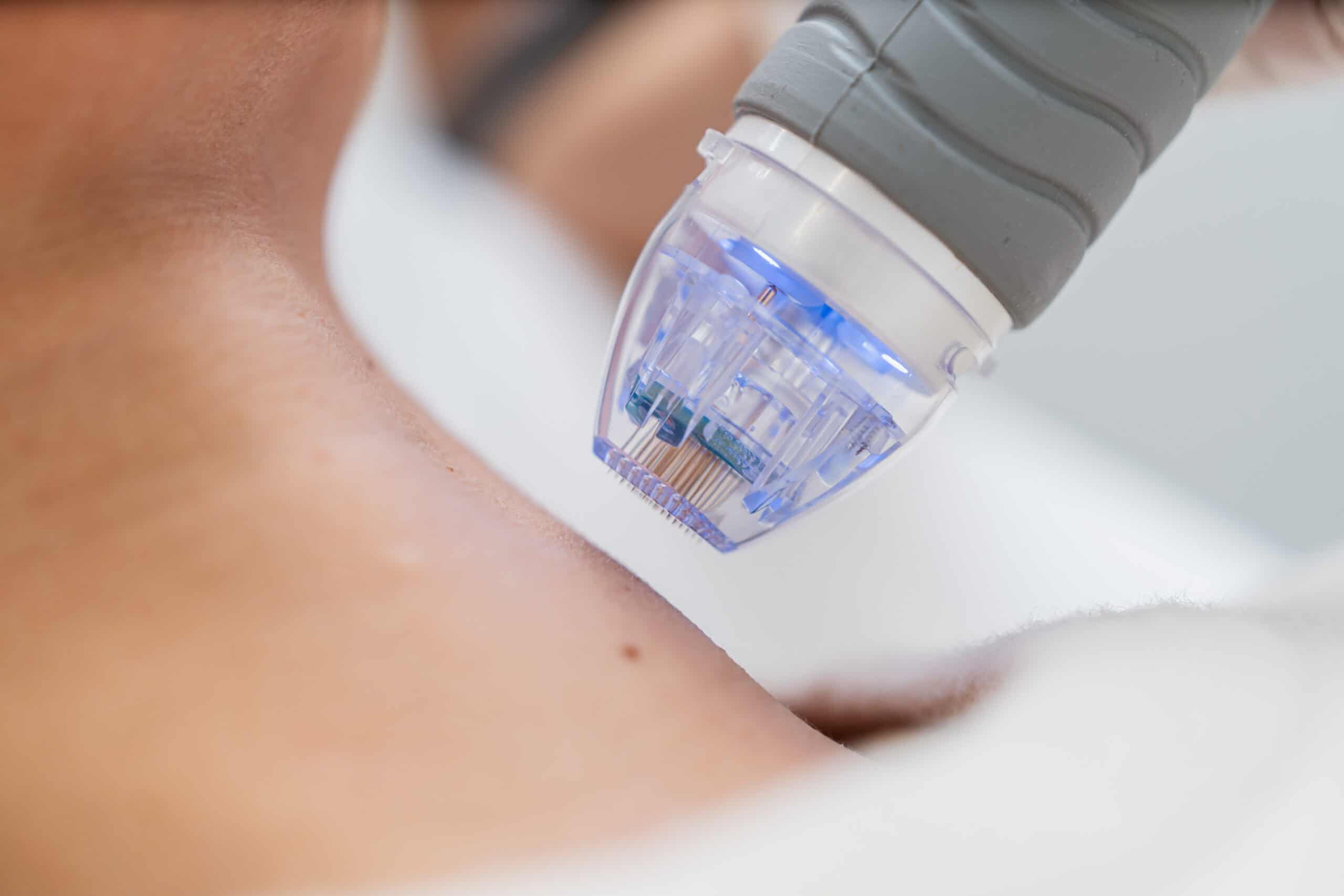
Microneedling paired with PRP has become increasingly popular for improving texture, reducing acne scars, and boosting collagen production.
This regenerative approach works by creating controlled micro-injuries in the skin while platelet-rich plasma helps support healing. Together, these treatments can improve texture, reduce inflammation, and refresh tired-looking skin.
Patients often appreciate that these treatments involve little downtime compared to more aggressive surgical options.
RF Treatments and Ultherapy
RF technology and Ultherapy are designed to tighten and firm the skin by stimulating deeper collagen production beneath the surface.
These treatments don’t create the same level of lifting as a surgical procedure, but they can be incredibly effective for mild to moderate laxity. They’re often recommended for patients who aren’t ready for surgery yet but still want visible tightening.
Laser Resurfacing
Laser resurfacing remains one of the most effective treatments for improving skin tone, sun damage, pigmentation, and fine lines.
By removing damaged outer layers of skin, laser treatments can improve texture and help patients achieve smoother, healthier-looking skin with a more modern aesthetic appearance.
Important Factors to Consider Before Choosing Surgical or Non-Surgical Care
The decision between surgical vs non-surgical treatment isn’t always straightforward. Several factors should be evaluated before moving forward with any procedure.
Severity of the Concern
Condition severity matters. Mild aging concerns often respond beautifully to non-surgical treatment, while more advanced sagging or structural changes may require surgical options for meaningful correction.
For example, significant skin laxity around the neck or jawline may not improve enough with injectables alone.
Downtime and Lifestyle
One of the biggest reasons people choose non-surgical care is convenience. Surgical procedures usually involve bruising, swelling, activity restrictions, and a longer recovery.
Patients with demanding schedules often prefer treatments with minimal downtime so they can return to work and normal activities quickly.
Long-Term Goals
Some people prefer gradual enhancement that they can maintain over time. Others want long-lasting results from a permanent surgical solution.
Neither approach is automatically better. It depends entirely on the patient’s goals, comfort level, and expectations.
Overall Health
Not everyone is a good candidate for surgery. Certain medical conditions, medications, or healing concerns may increase the need for surgical intervention risks.
That’s why a professional consultation is so important before deciding on any treatment plan.
Non-Surgical Treatments Beyond Cosmetic Procedures
Although aesthetics get most of the attention, non-surgical treatments may also play a major role in overall wellness and recovery.
In orthopedic medicine, physical therapy is often recommended before considering surgical procedures like spinal fusion or joint replacement. Many patients use physical therapy to improve mobility, strengthen muscles, manage pain and inflammation, and support healing naturally before committing to surgery.
Similarly, corticosteroid injections and PRP treatments may help reduce inflammation and provide lasting relief for some patients dealing with joint or soft tissue discomfort.
This growing interest in regenerative medicine highlights how non-surgical treatment approaches can sometimes reduce the need for surgery altogether.

Why Experience Matters With Non-Surgical Treatments
One common misconception is that non-surgical procedures are simple because they don’t involve surgery. In reality, these treatments require precision, advanced training, and a deep understanding of facial anatomy.
An experienced provider knows how to personalize treatments based on the patient’s anatomy rather than applying a one-size-fits-all approach.
In Denton, Texas, Lisa Rux is known for combining medical expertise with an artistic eye. With more than 26 years of experience, she specializes in Botox, dermal fillers, laser resurfacing, microneedling, neuromodulators, and advanced skin rejuvenation techniques performed. Lisa Rux is also among a select number of licensed Texas professionals trained in the ArqueDerma Artistic Restoration Lift and Microtox. Her background in advanced injectables and skin therapies allows her to create personalized treatment plan strategies that look refined rather than overdone.
In addition to aesthetic services, she developed Dermalight, a prescription cream created to address melasma, hyperpigmentation, and aging skin concerns.
Choosing the Right Path for Your Goals
The conversation around surgical vs non-surgical care doesn’t have a universal answer. Some patients benefit tremendously from non-surgical procedures that provide subtle, refreshed enhancement with lower risk and little downtime. Others may eventually need surgical correction for more advanced concerns.
The key is choosing the right path based on realistic expectations, expert guidance, and your individual goals rather than trends or social media hype.
Whether you’re considering Botox, dermal fillers, microneedling, laser resurfacing, or exploring surgical and non-surgical options for facial rejuvenation, working with an experienced professional makes all the difference.
If you’re ready to explore customized aesthetic solutions in Denton, Texas, Lisa Rux offers personalized consultation services designed to help patients feel confident in their decisions. Learn more at Lisa Rux’s official website or call (940) 231-5636 to schedule an appointment.