
Microneedling recovery can look a little different from one person to another. Some people notice redness that settles quickly, while others experience several days of dryness, tightness, or peeling. That variation is normal. Your skin type, treatment depth, individual skin concerns, and the way you care for freshly treated skin can all influence the recovery timeline.
Microneedling is a treatment that uses controlled micro-injuries in the skin to encourage a natural healing response. As the skin repairs itself, collagen and elastin production increase, helping improve the appearance of skin texture, scars, fine lines, and uneven tone over time.
Knowing what to expect after microneedling can make the process much less mysterious. Here is a practical recovery guide covering the first week and what happens afterward.
How Microneedling Supports the Healing Process
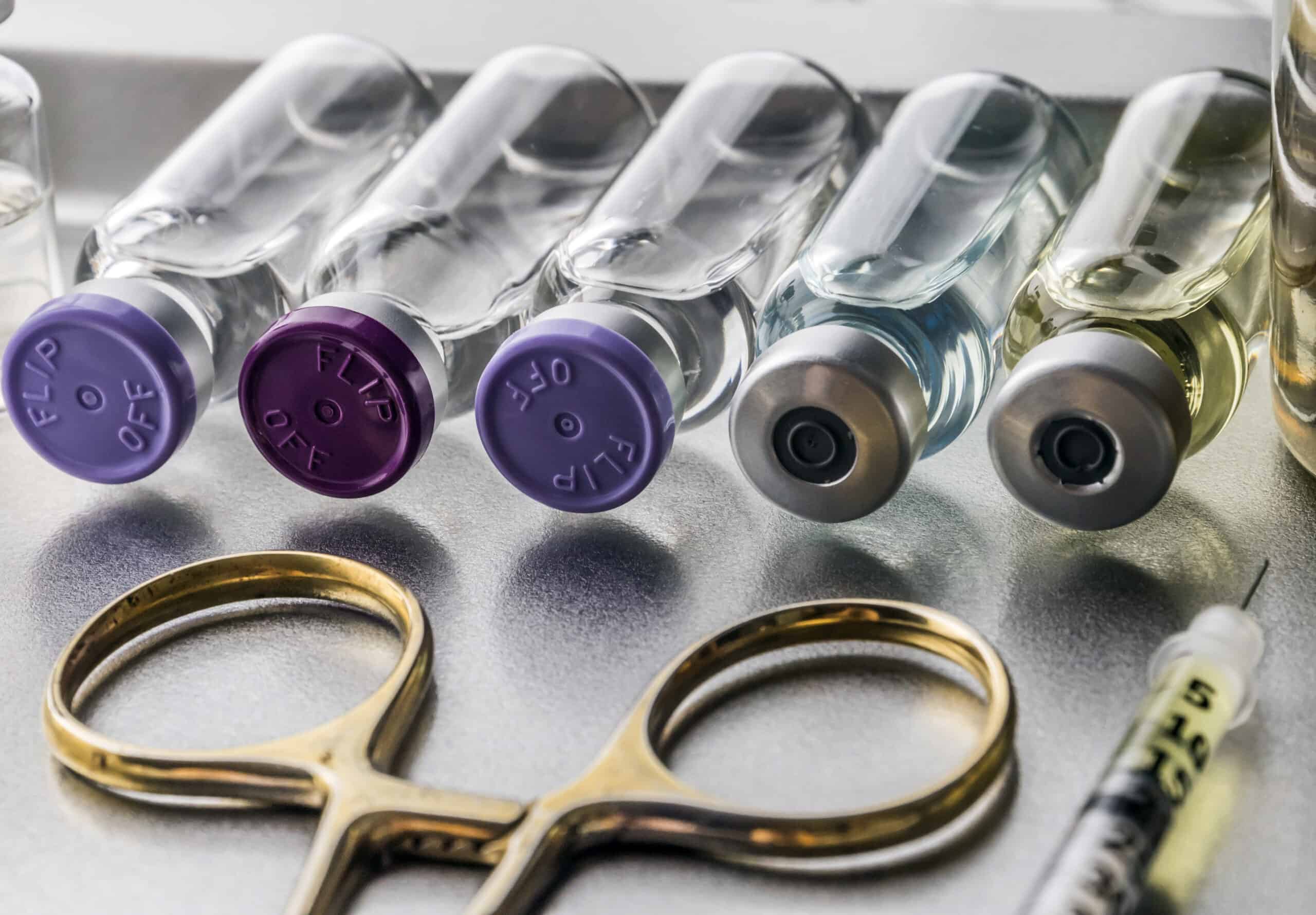
During a professional microneedling session, a device creates tiny, controlled punctures in the skin. These micro-injuries stimulate the body’s natural repair mechanisms without removing the outer layer of skin in the same way that more aggressive resurfacing treatments can. It is recommended that either PRP which comes from your own blood, spun in a machine that seperates the blood from the plasma then either injected into the skin or pushed into the skin while microneedling. This process puts your own growth factors into the skin to stimulate collagen. Exosomes which can push into the skin and gives 25 billion growth factors. This also helps in the healing process.
The healing process begins almost immediately. The skin responds to the controlled injury by initiating repair and encouraging collagen production. Over the following weeks, new skin cells and structural proteins gradually contribute to improved skin texture and a smoother appearance.
Microneedling is one option among several skin rejuvenation treatments. Depending on your goals, a professional may also discuss options such as chemical peels or laser treatments.
The important point is that microneedling results do not appear all at once. Your skin needs time to complete its natural healing process.
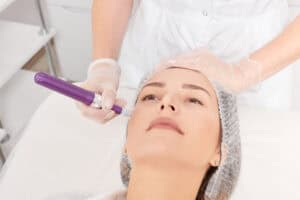
Day 0: Immediately After Microneedling
Right after treatment, your skin may appear flushed and feel warm, tight, or sensitive. Redness is one of the most common immediate reactions.
The appearance can be similar to a mild sunburn. You may also notice slight swelling and sensitivity, and tightness particularly in areas where the treatment was more intensive.
Immediately after microneedling, the priority is simple: protect the skin and avoid unnecessary irritation.
Your provider may recommend a specific post-treatment product or moisturizer. Follow those instructions rather than experimenting with new skincare products.
Freshly treated skin is temporarily more vulnerable, so this is not the time to reach for an acid serum, retinol, exfoliant, or heavily fragranced product.
Day 1: The First 24 Hours
During the first 24 hours, redness may still be noticeable. Some people describe the skin as feeling warm, tight, or slightly uncomfortable.
This is completely normal when the treatment has been performed properly. The skin is actively responding to the controlled micro-injuries.
Microneedling aftercare is particularly important at this stage. Avoid touching your face unnecessarily, vigorous exercise, excessive sweating, swimming, saunas, and prolonged sun exposure.
If your provider gives you different instructions based on your treatment, follow those instructions.
Day 2 to Day 3: Redness, Dryness, and Early Skin Renewal
For many people, the second and third days are when the skin begins to feel noticeably drier. Redness should generally begin settling, although some residual redness can remain.
You might notice tightness or a rougher feeling when touching your skin. It can be tempting to exfoliate because the surface doesn’t feel as smooth as usual. Resist that urge.
Peeling is part of the healing process for some patients, and forcibly removing flaky skin can irritate the skin barrier.
Instead, hydrate your skin with products recommended by your provider. A simple routine is usually best during this period.
This is also when some people start wondering whether their microneedling treatment has worked because their skin may not look dramatically different yet. That’s normal. Early skin renewal is happening beneath the surface, while the visible microneedling results take longer to develop.
Day 4 to Day 5: Peeling and Visible Skin Renewal
By days four and five, many patients notice that the skin is beginning to feel smoother. Peeling or mild flaking may occur as part of the natural healing process.
Don’t pick at it.
Let the skin shed naturally while keeping it comfortably moisturized. Lisa Rux’s SkinPen aftercare recommendations specifically advise clients not to forcibly peel their skin and instead keep it moisturized while allowing it to shed naturally.
Redness should continue to diminish, although individual recovery varies.
Sun protection remains important. Use a broad-spectrum physical sunscreen according to your provider’s instructions and minimize unnecessary sun exposure while your skin is recovering.

Day 6 to Day 7: Smoother Texture and the Beginning of Visible Results
Around the end of the first week, the skin may begin looking brighter, calmer, and smoother. Redness is often significantly reduced by this point, although some people may still have mild sensitivity.
This stage marks an important transition in the recovery timeline. The surface may look better, but the deeper remodeling process is still underway.
Collagen production does not stop after seven days. In fact, some of the changes associated with microneedling continue developing over the weeks that follow.
If your goal is to improve acne scarring, skin texture, or signs of aging, patience matters. One session may produce noticeable changes, but a series of treatments is often recommended for more significant improvement.
Beyond the First Week: When Microneedling Results Develop
The first week is only one part of the microneedling results timeline.
The initial recovery may be relatively short, but collagen remodeling takes considerably longer. Depending on the treatment and your individual skin, visible improvement can continue developing over the following weeks and months.
That doesn’t mean everyone needs the same number of treatments. Your provider should determine the appropriate treatment plan based on your skin and goals.
Essential Microneedling Aftercare Tips
Proper aftercare is crucial because the skin is temporarily more sensitive after treatment.
Keep your routine uncomplicated. Use a gentle cleanser and products recommended by your provider. Hydrate regularly and avoid aggressive exfoliation until your skin has recovered.
Some practical aftercare tips include:
- Avoid unnecessary sun exposure.
- Use broad-spectrum sun protection as directed.
- Do not pick, scratch, or peel flaky skin.
- Avoid strenuous exercise and excessive sweating during the period recommended by your provider.
- Avoid swimming pools, saunas, steam rooms, and jacuzzis according to your provider’s instructions.
- Pause irritating active ingredients until your provider says they can be resumed.
- Keep the skin comfortably moisturized.
- Follow your provider’s specific aftercare instructions rather than relying solely on generic skincare advice.
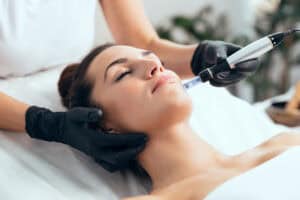
Microneedling at Home vs. Professional Microneedling
Home microneedling deserves some caution.
Not every device marketed for microneedling works in the same way. The FDA notes that some home products use very short needles that do not penetrate the skin’s living layers, it is painful and a trained provider will apply numbing cream on the skin to make the process more comfortable, while devices that penetrate deeper layers carry greater risks.
The American Academy of Dermatology also warns that at home microneedling can lead to infection, scarring, irritation, and changes in skin color or texture when the skin is pierced or the device is overused.
Professional microneedling differs because a trained provider can assess treatment depth, technique, sanitation, and patient suitability.
For anyone considering microneedling at home, particularly with a device capable of penetrating the skin, professional guidance is the safer route.
When to Contact a Professional About Your Recovery
Some redness, dryness, tightness, peeling, and sensitivity can be expected. However, symptoms that become increasingly severe rather than gradually improving deserve professional attention.
Contact your provider if you develop significant swelling, worsening pain, unusual discharge, signs of infection, blistering, or other symptoms that concern you.
The FDA identifies infection, pigmentation changes, prolonged skin irritation, and other complications as possible risks of microneedling devices.
The exact recovery time also depends on the type of treatment performed. RF microneedling, for example, is different from standard microneedling and carries its own considerations. The FDA issued a safety communication in 2025 concerning serious complications reported with certain uses of RF microneedling, including burns, scarring, fat loss, disfigurement, and nerve damage.
That is another reason proper treatment selection and qualified professional care matter.
Support Your Skin With Expert Microneedling Care
A good day-by-day recovery plan isn’t about rushing the healing process. It’s about giving your skin the right environment to repair itself.
Lisa Rux is an experienced Medical Aesthetician in Denton, Texas, with more than 26 years of experience in medical skincare and extensive experience with microneedling, laser skin treatments, neuromodulators, dermal fillers, and professional-grade peels. Her medical spa provides personalized skincare solutions.
If you’re considering microneedling for acne scarring, texture, signs of aging, or other skin concerns, professional assessment can help determine whether the treatment is appropriate for you and how to structure your recovery.
Contact Lisa Rux, Medical Aesthetician in Denton, Texas, at (940) 231 5636 or visit www.lisarux.com to schedule a consultation.