
NO!!. For nearly everyone, injecting yourself with Botox bought online is against the law, and it carries health risks that have already put people in the hospital. Botox is a prescription drug made primarily of botulinum toxin type A, a purified neurotoxic protein produced by the bacterium Clostridium. Botulinum is one of the most potent toxins known. In the United States, it is meant to be given by a trained medical professional using an FDA-approved product from an authorized distributor. The vials advertised on social media and sold by overseas websites skip every one of those safeguards. They are tempting because they cost a fraction of an office visit, and a tutorial makes the injection look simple. The cases reported over the past two years show what that saving can cost.
Why Botox Requires a Prescription
Botox works by blocking the signal between a nerve and the muscle it controls. When a small, precise dose goes into the right muscle, that muscle relaxes for roughly three to four months and the wrinkle above it softens. The same action that smooths a frown line becomes dangerous in the wrong amount or the wrong spot, because the muscle simply stops working.
Every FDA-approved botulinum toxin product carries a boxed warning, the agency’s most serious label. It cautions that the toxin can spread beyond the injection site and weaken the muscles used for swallowing and breathing. That warning applies to genuine product given at a proper dose. An unknown product given by an untrained hand only adds to the risk.

Is It Legal to Buy Botox Online and Inject It Yourself?
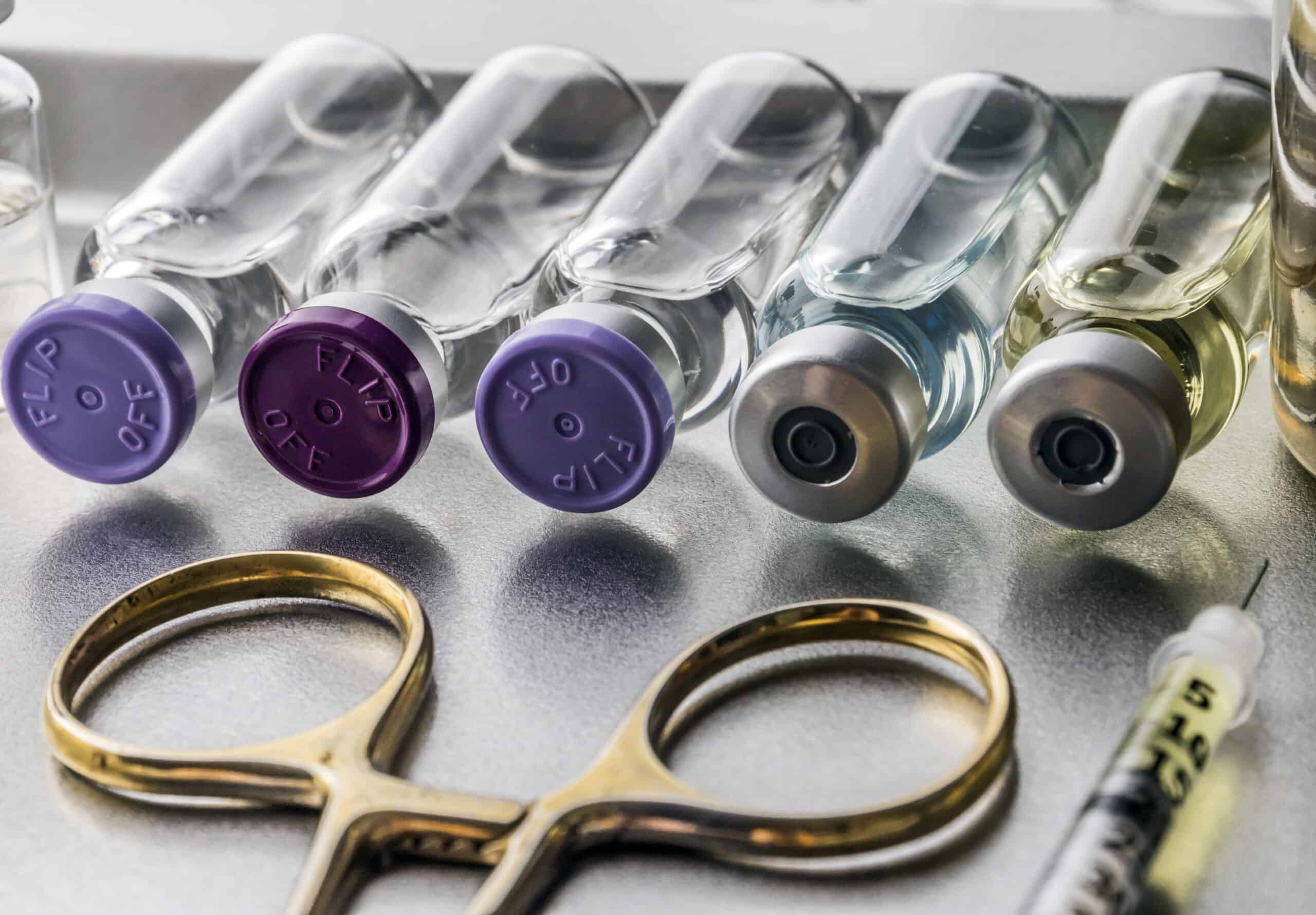
Genuine Botox is sold by prescription, and it moves from the manufacturer through authorized distributors to licensed medical practices. A consumer without a prescription has no legitimate way to purchase it for home use. The vials marketed directly to the public online come from sellers operating outside that system.
Federal regulators have been cracking down on them. In November 2025, the FDA sent warning letters to 18 websites selling unapproved and misbranded botulinum toxin products, half of them based in Asia. Some sold brands that may be approved in other countries but have never been approved in the United States.
What the Law Requires in Texas
Each state sets its own rules for who may administer cosmetic injectables. In Texas, injecting Botox is a medical act. It must be performed by a physician or by a properly trained person acting under a physician’s order, delegation, and supervision. Injecting yourself with a drug bought from an overseas website meets none of those requirements, and it leaves you with no medical professional accountable for the product, the dose, or the outcome.
What Happened to Three Women Who Injected Botox Bought Online
In November 2025, the CDC published a report on three women in New York, Texas, and Wisconsin who were hospitalized after injecting themselves with cosmetic botulinum toxin they had purchased online. None of them met their state’s requirements to buy or administer the drug. The products appear to have come from vendors in Asia. Two of the women arranged their purchases through a messaging app, and one first found her seller on TikTok.
The doses varied widely. One woman injected about 11 units into her forehead, brows, and lips. The other two each used roughly 200 units, and both treated the bands of muscle in the neck. For comparison, FDA-approved cosmetic doses generally range from 20 to 50 units per treatment area.
Symptoms began two to four days after injection. All three developed signs consistent with botulism, and one needed a ventilator to breathe. Each received botulism antitoxin and recovered, though not every symptom went away before discharge. Two still had lingering problems such as trouble swallowing, slurred speech, neck weakness, or a drooping eyelid when they left the hospital.
This was not the first time people were harmed this way. In 2024, the CDC and FDA investigated illnesses in multiple states linked to fake Botox or to injections given by people who were not trained or licensed.

The Danger of a Product You Can’t Verify
When you purchase a neurotoxin from an unlicensed website, you have no way of confirming what is in the vial. Federal regulators warn that these products may be counterfeit, mislabeled, contaminated, improperly stored, ineffective, or unsafe.
Each of those problems plays out differently:
- Unknown strength. A fake or unapproved product may contain far more toxin than the label claims, or none at all.
- Contamination. A product made or handled outside sterile conditions can contaminate the injection site and cause infection.
- Storage failures. Genuine Botox must be kept refrigerated. A vial that spent days in an uncontrolled shipping package may be weakened or unpredictable.
- Extra ingredients. Unregulated products may contain additives that cause reactions at the injection site or elsewhere in the body.
Prices that seem too good to be true, a seller with a foreign address, damaged or expired packaging, and labels that aren’t in English are all warning signs.
Why Injection Placement Takes Training
Even a genuine product can cause harm in untrained hands. The face has dozens of small, overlapping muscles, and the difference between a smoother forehead and a heavy, drooping eyelid can come down to a few millimeters. A YouTube video can show where someone else placed a needle. It cannot account for your anatomy, your muscle strength, or how the toxin will spread once it is injected into areas close to the eye or mouth.
Poor placement commonly causes a drooping brow or eyelid, an uneven smile, or unwanted muscle paralysis and immobility in areas that were never meant to be treated. The neck carries extra risk because the muscles there sit near the structures used for swallowing and speaking. It is worth noticing that both of the women in the CDC report who used the largest doses had injected their necks. A trained medical professional also knows when a treatment shouldn’t be done at all, which no tutorial can teach.
Symptoms That Need Medical Attention Right Away
Most side effects from a properly performed treatment are mild, such as minor bruising or a brief headache. The symptoms below are different. They can mean the toxin has spread, and they call for emergency care, especially after an injection from an unverified source:
- Double vision, blurred vision, or eyelid drooping
- Slurred or slow speech
- Hoarseness or other voice changes
- Difficulty swallowing or breathing
- Muscle weakness in the face, neck, arms, or body
In the CDC cases, symptoms took several days to appear, so feeling fine right after an injection doesn’t mean the danger has passed. If symptoms develop, seek help immediately and tell the medical team exactly what you injected and where you bought it. Botulism antitoxin can stop symptoms from getting worse, but it cannot reverse weakness that has already set in, which is why early treatment matters. Afterward, you can report the reaction and any product you suspect is fake to ISMP and FDA through ISMP’s consumer reporting program and FDA’s MedWatch. ISMP’s consumer safety articles specifically warn the public not to buy Botox online or inject it themselves.
How to Get Botox Safely
Safe treatment comes down to asking a few direct questions. Before you get Botox anywhere, find out:
- Who will perform the injection, and whether that person is experienced, trained or licensed under your state’s rules
- Which physician or nurse practitioner provides medical oversight
- Whether the product is FDA-approved and purchased from an authorized distributor
- How the provider handles side effects and follow-up visits
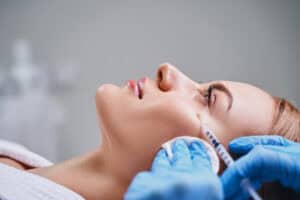
The same questions apply if you attend a social event that offers Botox injections. A party run under proper medical supervision, with genuine product and an experienced injector, is very different from a gathering where someone shows up with vials of unknown origin. If you can’t get clear answers from the doctor or clinic, walk away. Our earlier post on counterfeit Botox and illegal fillers explains more ways to spot fake injectables.
Get Botox From an Experienced, Supervised Provider
Most people who try DIY Botox are trying to save money, and that is a fair concern. A vial from an unknown seller, though, offers no guarantee of what you are injecting, and the cost of a hospital stay dwarfs the price of an office treatment.
Lisa Rux is a medical aesthetician with more than 26 years of experience in medical skin care, lasers and extensive experience with neuromodulators and dermal fillers. She works under doctor and nurse practitioner supervision and uses medical-grade products. If cost is a concern, ask about financing for Botox and filler through Cherry. To schedule a consultation, call (940) 231-5636. 1206 Bent Oaks Court, Suite 200, Denton, TX 76210.
Sources: