
If you’ve ever walked out of a Botox appointment feeling excited — only to wonder a few weeks later why your results faded sooner than you expected — you’re definitely not alone. Everyone’s skin and biology are a little different, but what we do outside the clinic has a huge pull on how long your Botox lasts and how it looks over time.
Sure, Botox injections are precision work — but daily habits quietly shape how long your Botox results last and how smooth your forehead lines stay. From what you eat to how much sun you soak up, lifestyle plays a starring role in your overall outcome.
This article walks through the lifestyle factors that influence Botox longevity so you can make more informed, real-world choices about your aesthetic regimen.
Understanding Botox: What’s Happening Below the Surface
Let’s start with what Botox actually does — and what it doesn’t do.
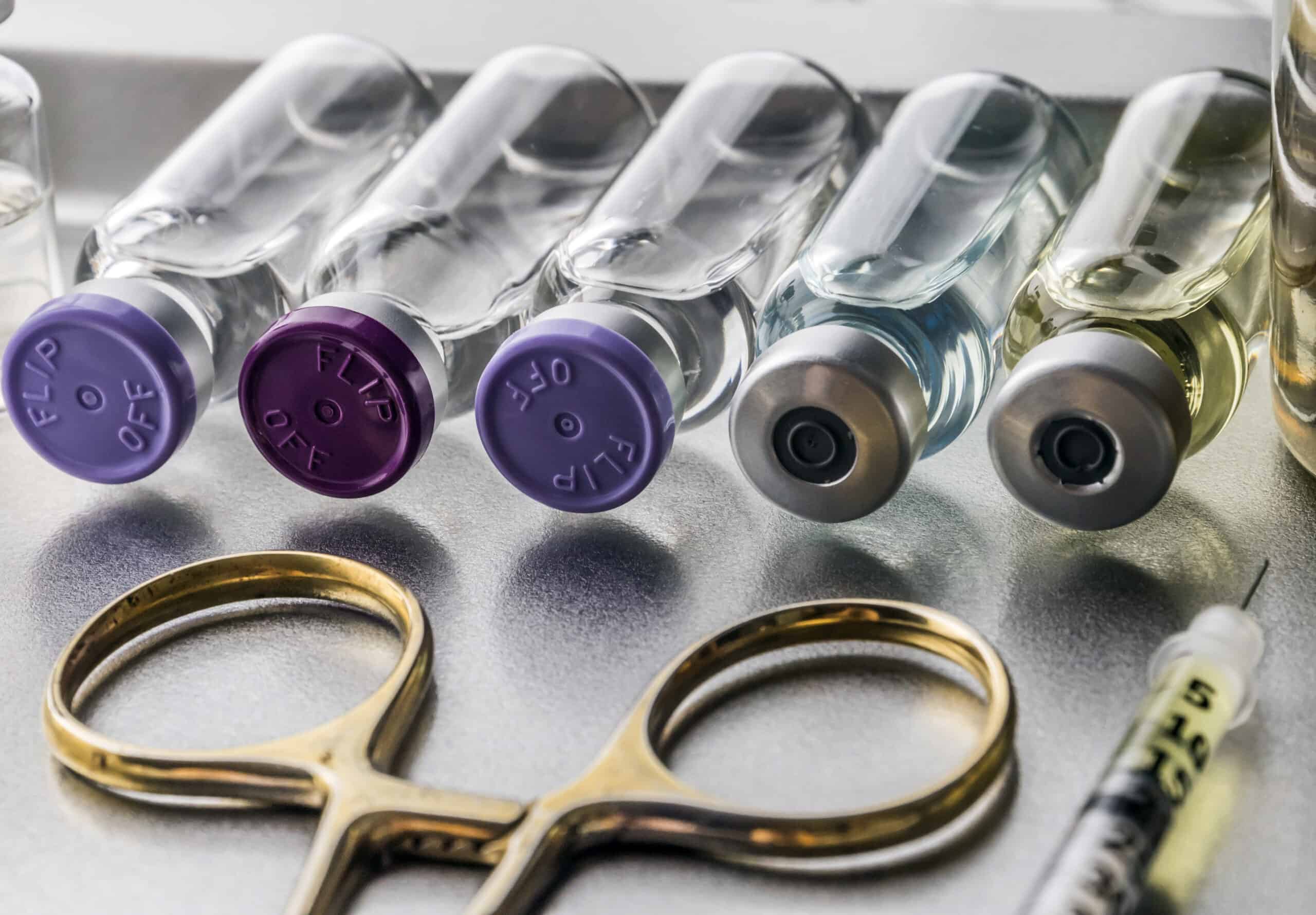
Botox is a neuromodulator, which means it tweaks the way nerve signals talk to muscles. When those signals are slowed, the muscles can’t contract as strongly. That’s what softens those dynamic lines — especially across your forehead and between your brows — and keeps new creases from setting in as deeply.
You might notice results a few days after treatment, with full effect around two weeks in. Typically, the longest Botox lasts lands somewhere around three to four months — give or take — before muscle activity starts creeping back. How long Botox results last depends on your body’s rate of protein and nerve turnover — which is where lifestyle begins to matter.
Think of Botox as a pause button. Once the muscles awaken again, the lines can start to reappear bit by bit.

Metabolism & Muscle Activity: When Your Body’s Tempo Matters
Everyone’s metabolic engine runs at its own rhythm. Some are naturally faster; others are slower. How your body processes proteins and chemicals — driven by metabolism — affects how quickly your system clears the Botox.
If you’re more active metabolically, you might notice your Botox effects don’t stick around quite as long as someone whose system clears substances more slowly. That’s just the nature of biochemistry.
Similarly, if you’re a high-expression person (you squint a lot in the sun, you raise your eyebrows when you talk, or you’re always laughing), the muscles you’re treating are more “used” than average. That can subtly affect how long your results remain smooth — especially around forehead lines and frown zones.
That said, consistent, customized treatments over time can actually train those muscles to settle into a calmer pattern, which can extend durations between sessions.
Sun Exposure: Not Just a Tan, But an Aging Accelerator
If you’re into soaking up rays without protection, that could be quietly chipping away at your Botox results.
Ultraviolet rays break down collagen and elastin — the very proteins that give your skin bounce and resilience. As the structural support weakens, wrinkles become more noticeable, even if the muscle beneath is relaxed.
Botox doesn’t rebuild collagen — it just relaxes motion. So if your skin is constantly battling UV damage, those static lines can look deeper and more stubborn.
Putting on a broad-spectrum SPF and avoiding intense, unprotected sun exposure gives your skin a better backdrop for the results to shine longer and look naturally smoother.
Smoking, Alcohol & Their Impact on Your Results
Smoking is like grill smoke on skin — it tightens blood vessels and starves the tissue of oxygen. Over time, collagen breaks down faster, and skin ages sooner. That doesn’t mean Botox can’t work for smokers, but it does mean those surrounding skin structures are less resilient.
Alcohol, especially in excess, can dehydrate you. Dry skin is less plump and elastic, and that dehydration can make fine lines appear more quickly as Botox gradually wears off.
Both smoking and heavy drinking indirectly influence Botox longevity — not by deactivating the injection itself, but by undermining the overall health and tone of your skin.
Exercise & Physical Activity: Good for You — with a Nuanced Note
Exercise is one of those things that’s excellent for your general health and your feel-good energy. However, very intense workouts — especially shortly after getting Botox — can increase blood flow and metabolic rate in ways that may subtly influence how quickly your body processes products.
That doesn’t mean you should avoid the gym. Just don’t go full sprint or heavy lifting right after your appointment. Keeping workouts moderate in the immediate post-treatment window (about 24–48 hours) gives the product a better chance to settle where it was placed.
Overall, physical activity supports circulation and healthy skin — both of which help your results look their best for longer.

What You Put On Your Skin Matters Too
Botox is one piece of the picture. Good skincare — the kind that helps build and protect collagen — supports the canvas that Botox works on.
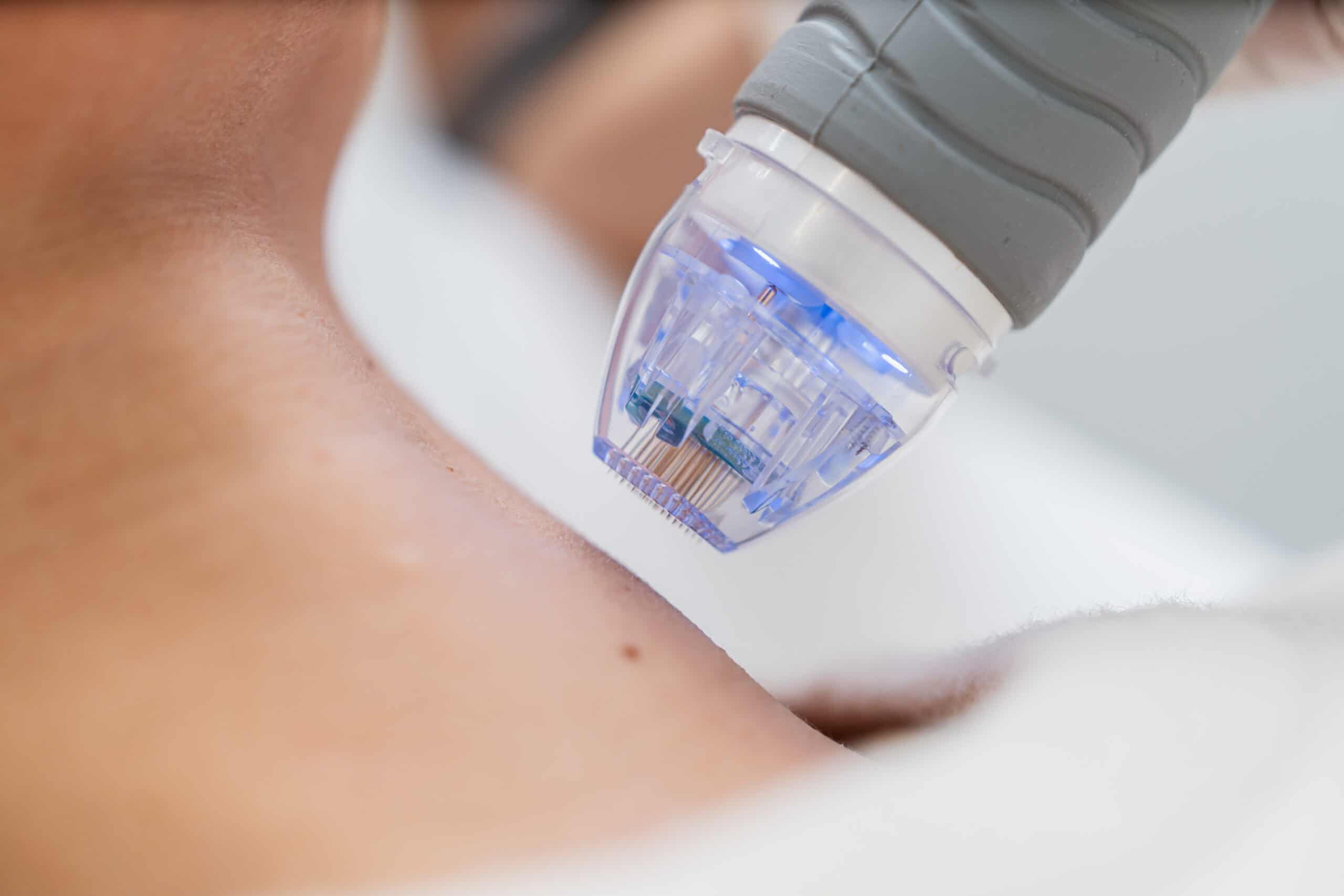
Using medical-grade products and treatments like professional peels or microneedling can strengthen your skin’s baseline quality. That means the forehead lines or frown lines your Botox is relaxing don’t have as much etched-in texture to begin with, helping results appear smoother and potentially last longer.
In Denton, Texas, Lisa Rux Medical Aesthetician, offers expertise not just in neuromodulators like Botox but a range of medical skincare, from laser therapy to professional-grade peels, that can bolster your overall skin health.
Technique, Dosage & A Personalized Treatment Plan
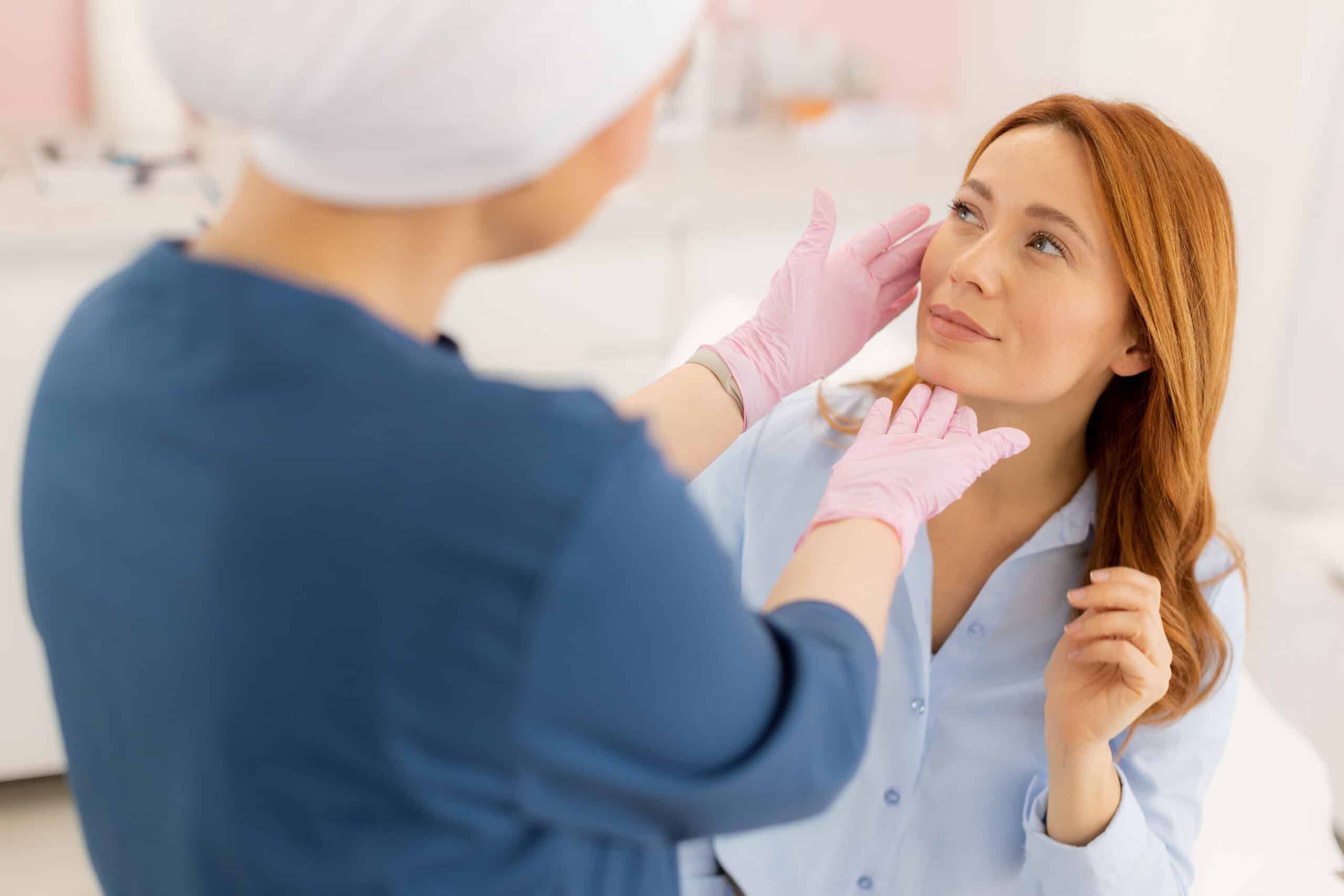
Even with the best lifestyle choices, the eyes still have to meet the hands — that is, your results depend on the know-how of the person administering the Botox.
The amount of Botox used, where it’s placed, and how it’s injected all influence both the effects of Botox and how long they stick around. Underdosing can wear off sooner. Overdosing can feel unnatural. Good injectors balance anatomy, muscle strength, desired outcomes, and personal habits into a comprehensive plan that ages with you.
Lisa Rux has decades of experience helping patients find that balance, tailoring treatment plans that respect individual variability and aesthetic goals.
Schedule a Consultation and Protect Your Investment
Botox is a dynamic, adaptable treatment — and so are you.
Lifestyle factors like sun exposure, physical habits, stress levels, overall health, and even things like hydration and skincare routines all influence how long your Botox lasts and how it looks over time.
If you’re ready to take control of those factors and make your next round of treatments even more rewarding, schedule a consultation with Lisa Rux, with 26 years of experience and personalized provider who can map a strategy just for you.
Cultivating great skin is a journey — and thoughtful choices outside the clinic help keep that journey smooth and glowing. If you’re curious about how your habits might influence your Botox longevity or want to chat about a custom plan that fits your lifestyle, it’s worth connecting with a trusted professional who’s walked this path with countless patients.