
There’s something exciting about finally deciding to invest in your skin. But once you start exploring treatment options, it’s easy to feel overwhelmed—especially when two popular choices like microneedling and a chemical peel both promise smoother, brighter, healthier-looking skin. They each work beautifully, but in different ways, and understanding those differences can help you make a confident decision.
Think of this as a friendly guide to help you sort through the noise and figure out which treatment genuinely fits your goals.
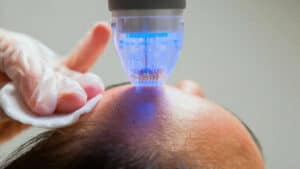
What Microneedling and Chemical Peels Actually Do
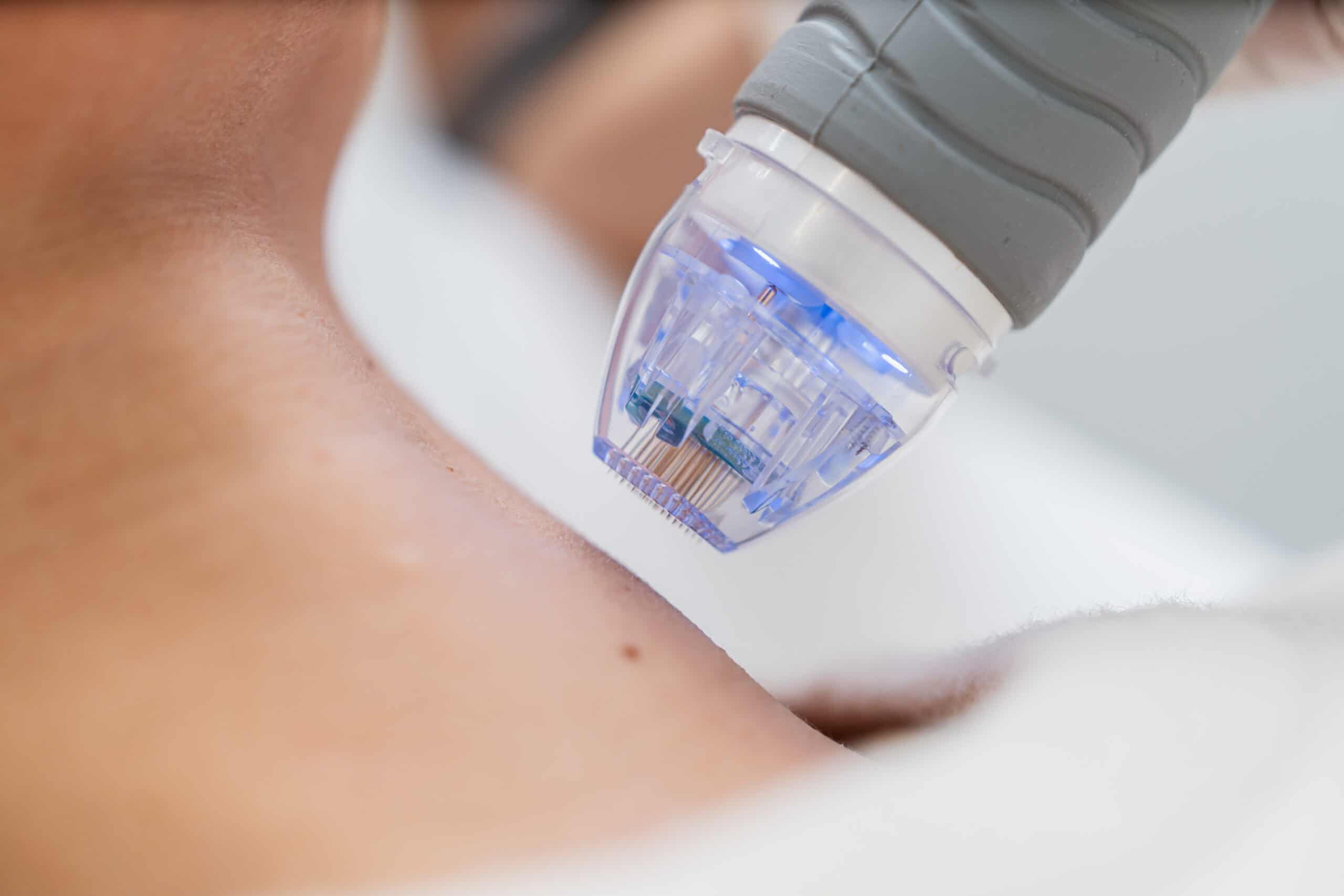
Microneedling is often described as one of the most natural ways to rejuvenate your complexion. Using tiny needles, the treatment creates micro-injuries in a controlled, precise way. Your body responds by kicking up collagen production, generating new skin, and gradually improving overall skin texture. It’s especially helpful for softening fine lines, reducing the look of acne scars, and giving tired skin a more refreshed appearance.
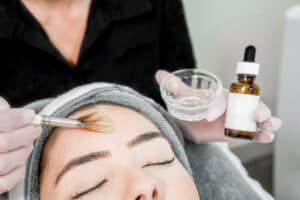
A chemical peel, meanwhile, works from the outside in. A carefully blended solution is applied to the skin, and as it begins to work, it lifts away the dull top layer. Once that layer starts to shed, a smoother, brighter, more even-toned surface appears. Peels are great for fading dark spots, tackling sun damage, evening tone, and restoring a healthy glow.
Both treatments are powerful—just in different ways.
Why People Love Microneedling
Microneedling appeals to people who want real change without feeling like they’ve done something drastic. Because the treatment nudges your body to repair itself, the improvements feel gradual and authentic.
Patients often choose microneedling because it can:
- Reduce the look of acne scars.
- Soften fine lines.
- Smooth uneven skin texture.
- Improve firmness through natural collagen and elastin.
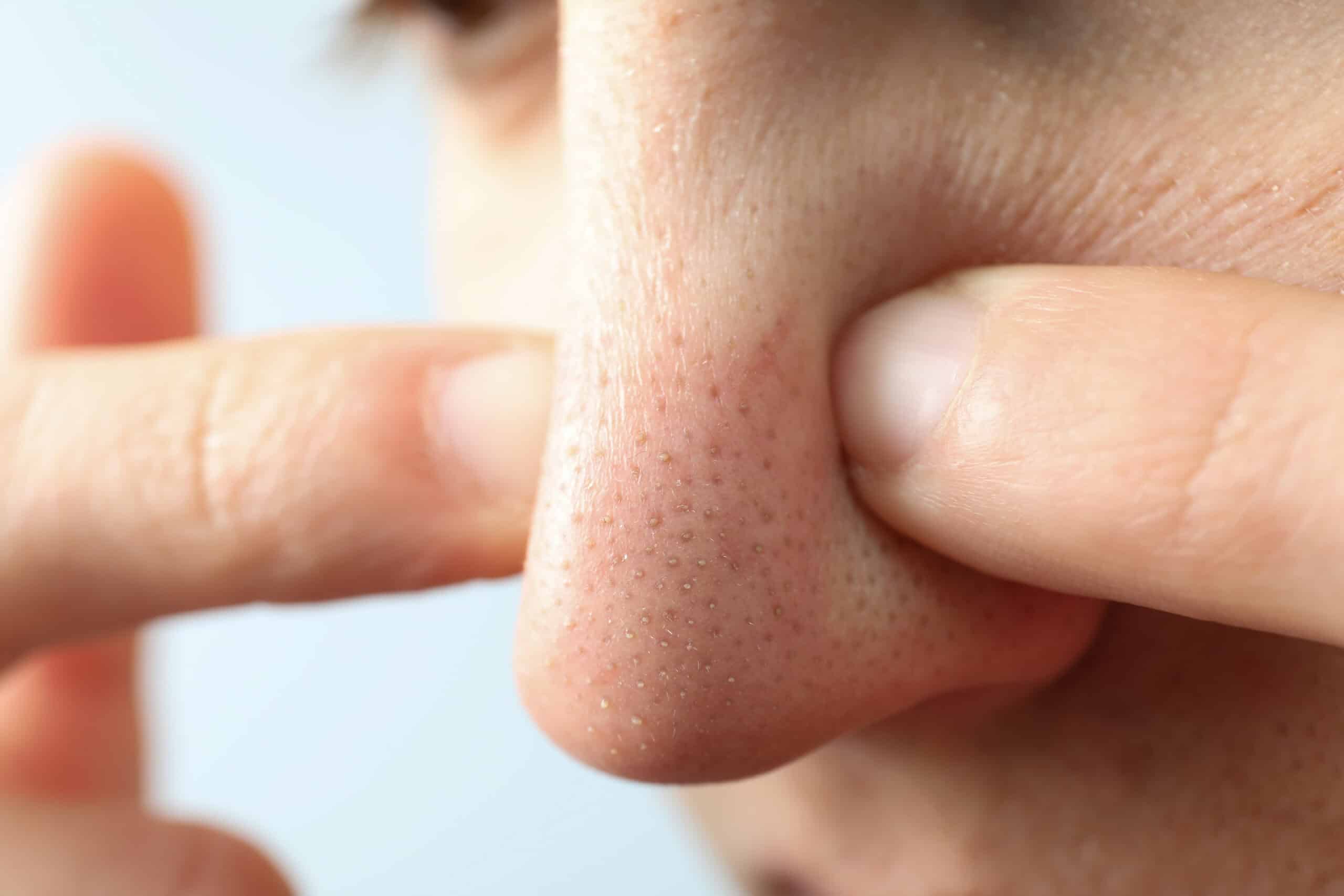
- Minimize the appearance of pores.
A series of microneedling sessions—usually spaced several weeks apart—can noticeably refine the skin. And since it works beneath the surface, microneedling is safe for a wide range of skin tones.
What Makes Chemical Peels So Effective
If your biggest concern is surface-level dullness, blotchiness, or uneven tone, a chemical peel might be your best friend.
A peel can brighten and refine the skin fairly quickly. Depending on your goals, your provider may recommend a superficial peel for a gentle refresh or a more intensive option for deeper discoloration and stubborn texture issues.
People choose peels because they can help:
- Fade hyperpigmentation and dark spots.
- Smooth early fine lines.
- Improve tone affected by sun damage.
- Clear congestion and rough patches.
There’s also a wide variety of types of chemical peels, so the treatment can be tailored to your comfort level and the concerns you want to address.
Microneedling vs Chemical Peel: How to Decide
It really comes down to what you want your skin to look and feel like.
Choose microneedling if you’re aiming for:
- Smoother, tighter skin over time.
- Improvements in acne scars.
- A treatment that builds collagen naturally.
- A safe option across many skin types.
Choose a chemical peel if you want:
- Immediate brightening.
- A more even tone.
- Help with discoloration, including sun damage.
- Smoother texture at the surface.
Some people end up doing both—just not on the same day. A seasoned provider can build a plan that blends the two safely and strategically.
What a Treatment Is Like
Before microneedling begins, a numbing cream is usually applied to keep things comfortable. Most people describe the sensation as a light buzzing or scratching from the microneedling device. You’ll probably look a little pink afterward, similar to a mild sunburn, but the redness fades within a day or two as the skin begins creating new collagen and elastin.
A chemical peel feels a little different. When the solution goes on, you may feel warmth or tingling—that’s normal. As the days pass, you might see some flaking or peeling (especially with stronger formulas). Once the exfoliation phase passes, the skin looks noticeably clearer, smoother, and more radiant.
Both treatments require sunscreen and gentle skincare afterward, but downtime is usually minimal.
The Importance of Choosing a Skilled Provider
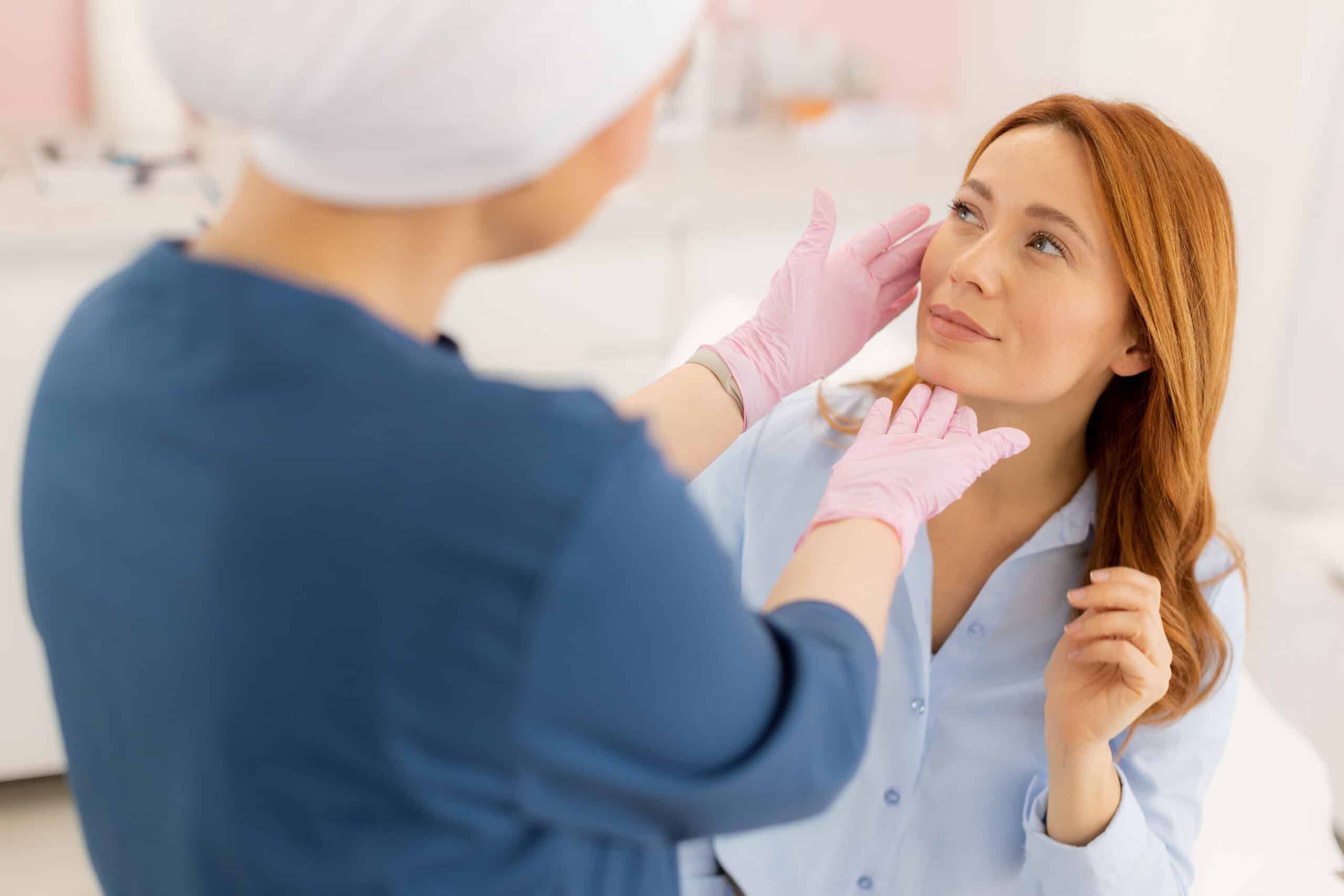
No matter which option you choose, the experience and judgment of your provider play a huge role in the outcome. Proper technique, the right formulation, and understanding your skin‘s needs can be the difference between “pretty good” and “wow.”
In Denton, Texas, Lisa Rux is known for her advanced training and decades of experience in medical aesthetics. With over 25 years in the field—plus extensive certifications in lasers, peels, injectables, and collagen-stimulating treatments—she builds customized plans based on your skin type and the results you want. Her background blends medical knowledge with a true artistic eye, which is why patients trust her with anything from corrective work to long-term rejuvenation.
Visit www.lisarux.com for personalized guidance and explore your options today!